







Who Is Santa Claus?: A History of St. Nicholas, the Christmas Tree, and the Three
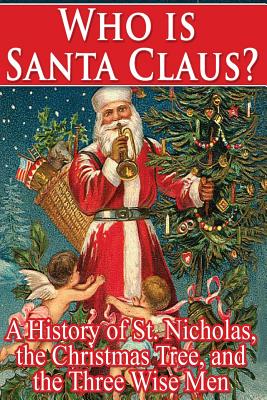
Who Is Santa Claus?: A History of St. Nicholas, the Christmas Tree, and the Three
Who Is Santa Klaus? Just as the Christmas tree was brought over to this country by early German immigrants so Saint Nicholas, or Santa Klaus, came here in the train of the Dutch settlers of New York. He established himself first in the little island of Manhattan and then gradually spread all over the country. His Dutch origin is shown by the very name Santa Klaus, which is common alike to Holland and America, though it is elsewhere unknown. At first he was honored on his own day with the same observances that marked the festival in the Fatherland. Before the beginning of the nineteenth century St. Nicholas's day had been all but forgotten in New Amsterdam, and New Year's Eve was the occasion when he made his rounds as a gift bearer to the children. Later he transferred his activities to Christmas. To go further back, we know that even in the eighteenth century, when New York was still to a great extent Dutch in blood and in feeling, the little children of the Knickerbockers would gather expectant around the great hearth in the parlor on the eve of New Year and not on the eve of Saint Nicholas's feast. It was to Saint Nicholas they addressed the childish hymns and songs their forefathers had brought from Holland. It was about the middle of the nineteenth century that the funny men of America took the Saint under their special patronage. In Holland he had been austere and dignified, as became a bishop and a saint. In America he developed into the fat, jolly, pot-bellied old roisterer whom we all know and love and who reminds us at so many points of the fun loving Silenus of Pagan times. Undoubtedly it was the American, Clement C. Moore, who immortalized the figure and decided the model which all succeeding poets and artists have ever followed.
PRP: 123.92 Lei
Acesta este Prețul Recomandat de Producător. Prețul de vânzare al produsului este afișat mai jos.
111.53Lei
111.53Lei
123.92 LeiPrimești 111 puncte
Indisponibil
Descrierea produsului
Who Is Santa Klaus? Just as the Christmas tree was brought over to this country by early German immigrants so Saint Nicholas, or Santa Klaus, came here in the train of the Dutch settlers of New York. He established himself first in the little island of Manhattan and then gradually spread all over the country. His Dutch origin is shown by the very name Santa Klaus, which is common alike to Holland and America, though it is elsewhere unknown. At first he was honored on his own day with the same observances that marked the festival in the Fatherland. Before the beginning of the nineteenth century St. Nicholas's day had been all but forgotten in New Amsterdam, and New Year's Eve was the occasion when he made his rounds as a gift bearer to the children. Later he transferred his activities to Christmas. To go further back, we know that even in the eighteenth century, when New York was still to a great extent Dutch in blood and in feeling, the little children of the Knickerbockers would gather expectant around the great hearth in the parlor on the eve of New Year and not on the eve of Saint Nicholas's feast. It was to Saint Nicholas they addressed the childish hymns and songs their forefathers had brought from Holland. It was about the middle of the nineteenth century that the funny men of America took the Saint under their special patronage. In Holland he had been austere and dignified, as became a bishop and a saint. In America he developed into the fat, jolly, pot-bellied old roisterer whom we all know and love and who reminds us at so many points of the fun loving Silenus of Pagan times. Undoubtedly it was the American, Clement C. Moore, who immortalized the figure and decided the model which all succeeding poets and artists have ever followed.
Detaliile produsului



