







The F-Word
The F-Word
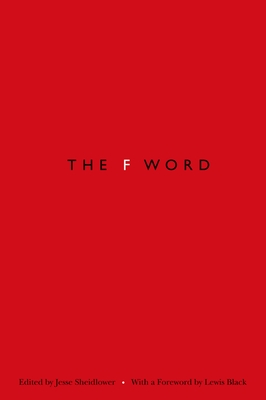
The most controversial word in the English language--the word that still can't be used on network TV or in major newspapers--is displayed here in its endless varieties, supported by colorful citations dating back to the word's earliest appearance in the 15th century.
We all know what frak, popularized by television's cult hit Battlestar Galactica, really means. But what about feck? Or ferkin? Or foul--as in FUBAR, or "Fouled Up Beyond All Recognition"? In a thoroughly updated edition of The F-Word, Jesse Sheidlower offers a rich, revealing look at the f-bomb and its illimitable uses. Since the fifteenth century, no other word has been adapted, interpreted, euphemized, censored, and shouted with as much ardor or force; imagine Dick Cheney telling Democratic Senator Patrick Leahy to "go damn himself" on the Senate floor--it doesn't have quite the same impact as what was really said. Sheidlower cites this and other notorious examples throughout history, from the satiric sixteenth-century poetry of James Cranstoun to the bawdy parodies of Lord Rochester in the seventeenth century, to more recent uses by Ernest Hemingway, Jack Kerouac, Ann Sexton, Norman Mailer, Liz Phair, Anthony Bourdain, Junot Diaz, Jenna Jameson, Amy Winehouse, Jon Stewart, and Bono (whose use of the word at the Grammys nearly got him fined by the FCC). Collectively, these references and the more than one hundred new entries they illustrate double the size of The F-Word since its previous edition. Thousands of added quotations come from newly available electronic databases and the resources of the OED, expanding the range of quotations to cover British, Canadian, Australian, New Zealand, Irish, and South African uses in addition to American ones. Thus we learn why a fugly must hone his or her sense of humor, why Canadian Prime Minister Pierre Trudeau muttered "fuddle duddle" in the Commons, and why Fanny Adams is so sweet. A fascinating introductory essay explores the word's history, reputation, and changing popularity over time. and a new Foreword by comedian, actor, and author Lewis Black offers readers a smart and entertaining take on the book and its subject matter. Oxford dictionaries have won renown for their expansive, historical approach to words and their etymologies. The F-Word offers all that and more in an entertaining and informative look at a word that, while now l
We all know what frak, popularized by television's cult hit Battlestar Galactica, really means. But what about feck? Or ferkin? Or foul--as in FUBAR, or "Fouled Up Beyond All Recognition"? In a thoroughly updated edition of The F-Word, Jesse Sheidlower offers a rich, revealing look at the f-bomb and its illimitable uses. Since the fifteenth century, no other word has been adapted, interpreted, euphemized, censored, and shouted with as much ardor or force; imagine Dick Cheney telling Democratic Senator Patrick Leahy to "go damn himself" on the Senate floor--it doesn't have quite the same impact as what was really said. Sheidlower cites this and other notorious examples throughout history, from the satiric sixteenth-century poetry of James Cranstoun to the bawdy parodies of Lord Rochester in the seventeenth century, to more recent uses by Ernest Hemingway, Jack Kerouac, Ann Sexton, Norman Mailer, Liz Phair, Anthony Bourdain, Junot Diaz, Jenna Jameson, Amy Winehouse, Jon Stewart, and Bono (whose use of the word at the Grammys nearly got him fined by the FCC). Collectively, these references and the more than one hundred new entries they illustrate double the size of The F-Word since its previous edition. Thousands of added quotations come from newly available electronic databases and the resources of the OED, expanding the range of quotations to cover British, Canadian, Australian, New Zealand, Irish, and South African uses in addition to American ones. Thus we learn why a fugly must hone his or her sense of humor, why Canadian Prime Minister Pierre Trudeau muttered "fuddle duddle" in the Commons, and why Fanny Adams is so sweet. A fascinating introductory essay explores the word's history, reputation, and changing popularity over time. and a new Foreword by comedian, actor, and author Lewis Black offers readers a smart and entertaining take on the book and its subject matter. Oxford dictionaries have won renown for their expansive, historical approach to words and their etymologies. The F-Word offers all that and more in an entertaining and informative look at a word that, while now l
123.88Lei
123.88Lei
Primești 123 puncte
Livrare in 2-4 saptamani
Descrierea produsului
The most controversial word in the English language--the word that still can't be used on network TV or in major newspapers--is displayed here in its endless varieties, supported by colorful citations dating back to the word's earliest appearance in the 15th century.
We all know what frak, popularized by television's cult hit Battlestar Galactica, really means. But what about feck? Or ferkin? Or foul--as in FUBAR, or "Fouled Up Beyond All Recognition"? In a thoroughly updated edition of The F-Word, Jesse Sheidlower offers a rich, revealing look at the f-bomb and its illimitable uses. Since the fifteenth century, no other word has been adapted, interpreted, euphemized, censored, and shouted with as much ardor or force; imagine Dick Cheney telling Democratic Senator Patrick Leahy to "go damn himself" on the Senate floor--it doesn't have quite the same impact as what was really said. Sheidlower cites this and other notorious examples throughout history, from the satiric sixteenth-century poetry of James Cranstoun to the bawdy parodies of Lord Rochester in the seventeenth century, to more recent uses by Ernest Hemingway, Jack Kerouac, Ann Sexton, Norman Mailer, Liz Phair, Anthony Bourdain, Junot Diaz, Jenna Jameson, Amy Winehouse, Jon Stewart, and Bono (whose use of the word at the Grammys nearly got him fined by the FCC). Collectively, these references and the more than one hundred new entries they illustrate double the size of The F-Word since its previous edition. Thousands of added quotations come from newly available electronic databases and the resources of the OED, expanding the range of quotations to cover British, Canadian, Australian, New Zealand, Irish, and South African uses in addition to American ones. Thus we learn why a fugly must hone his or her sense of humor, why Canadian Prime Minister Pierre Trudeau muttered "fuddle duddle" in the Commons, and why Fanny Adams is so sweet. A fascinating introductory essay explores the word's history, reputation, and changing popularity over time. and a new Foreword by comedian, actor, and author Lewis Black offers readers a smart and entertaining take on the book and its subject matter. Oxford dictionaries have won renown for their expansive, historical approach to words and their etymologies. The F-Word offers all that and more in an entertaining and informative look at a word that, while now l
We all know what frak, popularized by television's cult hit Battlestar Galactica, really means. But what about feck? Or ferkin? Or foul--as in FUBAR, or "Fouled Up Beyond All Recognition"? In a thoroughly updated edition of The F-Word, Jesse Sheidlower offers a rich, revealing look at the f-bomb and its illimitable uses. Since the fifteenth century, no other word has been adapted, interpreted, euphemized, censored, and shouted with as much ardor or force; imagine Dick Cheney telling Democratic Senator Patrick Leahy to "go damn himself" on the Senate floor--it doesn't have quite the same impact as what was really said. Sheidlower cites this and other notorious examples throughout history, from the satiric sixteenth-century poetry of James Cranstoun to the bawdy parodies of Lord Rochester in the seventeenth century, to more recent uses by Ernest Hemingway, Jack Kerouac, Ann Sexton, Norman Mailer, Liz Phair, Anthony Bourdain, Junot Diaz, Jenna Jameson, Amy Winehouse, Jon Stewart, and Bono (whose use of the word at the Grammys nearly got him fined by the FCC). Collectively, these references and the more than one hundred new entries they illustrate double the size of The F-Word since its previous edition. Thousands of added quotations come from newly available electronic databases and the resources of the OED, expanding the range of quotations to cover British, Canadian, Australian, New Zealand, Irish, and South African uses in addition to American ones. Thus we learn why a fugly must hone his or her sense of humor, why Canadian Prime Minister Pierre Trudeau muttered "fuddle duddle" in the Commons, and why Fanny Adams is so sweet. A fascinating introductory essay explores the word's history, reputation, and changing popularity over time. and a new Foreword by comedian, actor, and author Lewis Black offers readers a smart and entertaining take on the book and its subject matter. Oxford dictionaries have won renown for their expansive, historical approach to words and their etymologies. The F-Word offers all that and more in an entertaining and informative look at a word that, while now l
Detaliile produsului



