







The Economy of Europe in an Age of Crisis, 1600-1750
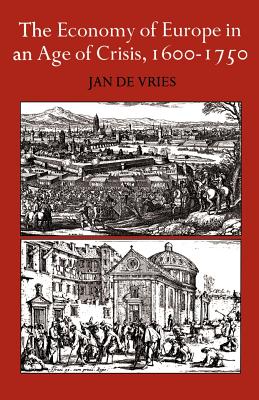
The Economy of Europe in an Age of Crisis, 1600-1750
By relating economic changes to the political backdrop, The Economy of Europe in an Age of Crisis, 1600-1750 describes and analyzes the economic civilisation of Europe in the last epoch before the Industrial Revolution. The author makes a special effort to apply economic reasoning to the economic forces of the period and challenges some longstanding opinions about what was and was not important in explaining economic performance. The significance of this study rests in its identification of the ways a 'traditional' society developed its economy despite the absence of the obvious growth factors of the nineteenth century. The approach is consciously comparative: problems of interpretation are identified; research not yet available elsewhere is incorporated into the text; and examples are drawn from minor as well as major countries in western and central Europe. Topics dealt with include the development of agriculture and industry, foreign and regional trade, urbanization, a study of demand in explaining economic growth, the bourgeoisie, and the state.
PRP: 263.41 Lei
Acesta este Prețul Recomandat de Producător. Prețul de vânzare al produsului este afișat mai jos.
237.07Lei
237.07Lei
263.41 LeiPrimești 237 puncte
Indisponibil
Descrierea produsului
By relating economic changes to the political backdrop, The Economy of Europe in an Age of Crisis, 1600-1750 describes and analyzes the economic civilisation of Europe in the last epoch before the Industrial Revolution. The author makes a special effort to apply economic reasoning to the economic forces of the period and challenges some longstanding opinions about what was and was not important in explaining economic performance. The significance of this study rests in its identification of the ways a 'traditional' society developed its economy despite the absence of the obvious growth factors of the nineteenth century. The approach is consciously comparative: problems of interpretation are identified; research not yet available elsewhere is incorporated into the text; and examples are drawn from minor as well as major countries in western and central Europe. Topics dealt with include the development of agriculture and industry, foreign and regional trade, urbanization, a study of demand in explaining economic growth, the bourgeoisie, and the state.
Detaliile produsului



