







National Identity and Partisan Polarization
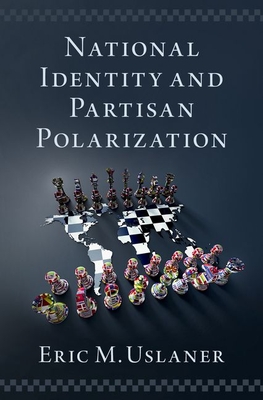
National Identity and Partisan Polarization
National Identity Identity and Partisan Polarization examines how national identity has become a central issue in political and social life across the world. Questions of identity--who should be counted as a true member of a society and who deserves assistance from the government--have displaced other social and economic issues across nations in many countries. This study considers the role of identity theoretically and in the United States, the United Kingdom, France, Austria, Germany, Sweden, Hungary, Poland, Israel, and Taiwan. Identity varies over time and over countries. Some such as Sweden have a more inclusive sense of identity--one does not need to be born in the country or have ancestry to be considered a true Swede. Other countries, such as Austria, France, Hungary, Poland, Israel, and Taiwan, have a more exclusive notion of identity--where one was born and a common heritage (race, religion, ethnicity) are seen as essential for seeing others as true members of society. Outsiders are viewed negatively, often as threatening a national culture and not deserving of government assistance. In the United States, the United Kingdom, and France, the major political parties take opposing positions on identity. In the United States and the United Kingdom, issues of identity have become highly correlated (polarized) with social and
economic issues. In the former Communist countries of Hungary and Poland, the dominant parties have taken nationalist positions on identity but favor generous welfare policies for people of their own background. In Israel and Taiwan, social and economic issues have become less important than nationalism.
PRP: 503.88 Lei
Acesta este Prețul Recomandat de Producător. Prețul de vânzare al produsului este afișat mai jos.
453.49Lei
453.49Lei
503.88 LeiPrimești 453 puncte
Livrare in 2-4 saptamani
Descrierea produsului
National Identity Identity and Partisan Polarization examines how national identity has become a central issue in political and social life across the world. Questions of identity--who should be counted as a true member of a society and who deserves assistance from the government--have displaced other social and economic issues across nations in many countries. This study considers the role of identity theoretically and in the United States, the United Kingdom, France, Austria, Germany, Sweden, Hungary, Poland, Israel, and Taiwan. Identity varies over time and over countries. Some such as Sweden have a more inclusive sense of identity--one does not need to be born in the country or have ancestry to be considered a true Swede. Other countries, such as Austria, France, Hungary, Poland, Israel, and Taiwan, have a more exclusive notion of identity--where one was born and a common heritage (race, religion, ethnicity) are seen as essential for seeing others as true members of society. Outsiders are viewed negatively, often as threatening a national culture and not deserving of government assistance. In the United States, the United Kingdom, and France, the major political parties take opposing positions on identity. In the United States and the United Kingdom, issues of identity have become highly correlated (polarized) with social and
economic issues. In the former Communist countries of Hungary and Poland, the dominant parties have taken nationalist positions on identity but favor generous welfare policies for people of their own background. In Israel and Taiwan, social and economic issues have become less important than nationalism.
Detaliile produsului



